Santa Cruz
First visit, limited time and easy logistics.

GALÁPAGOS / TRAVEL JOURNAL
Originally published
This article preserves its original publication. Prices, regulations, routes and availability mentioned in the guide require current confirmation.
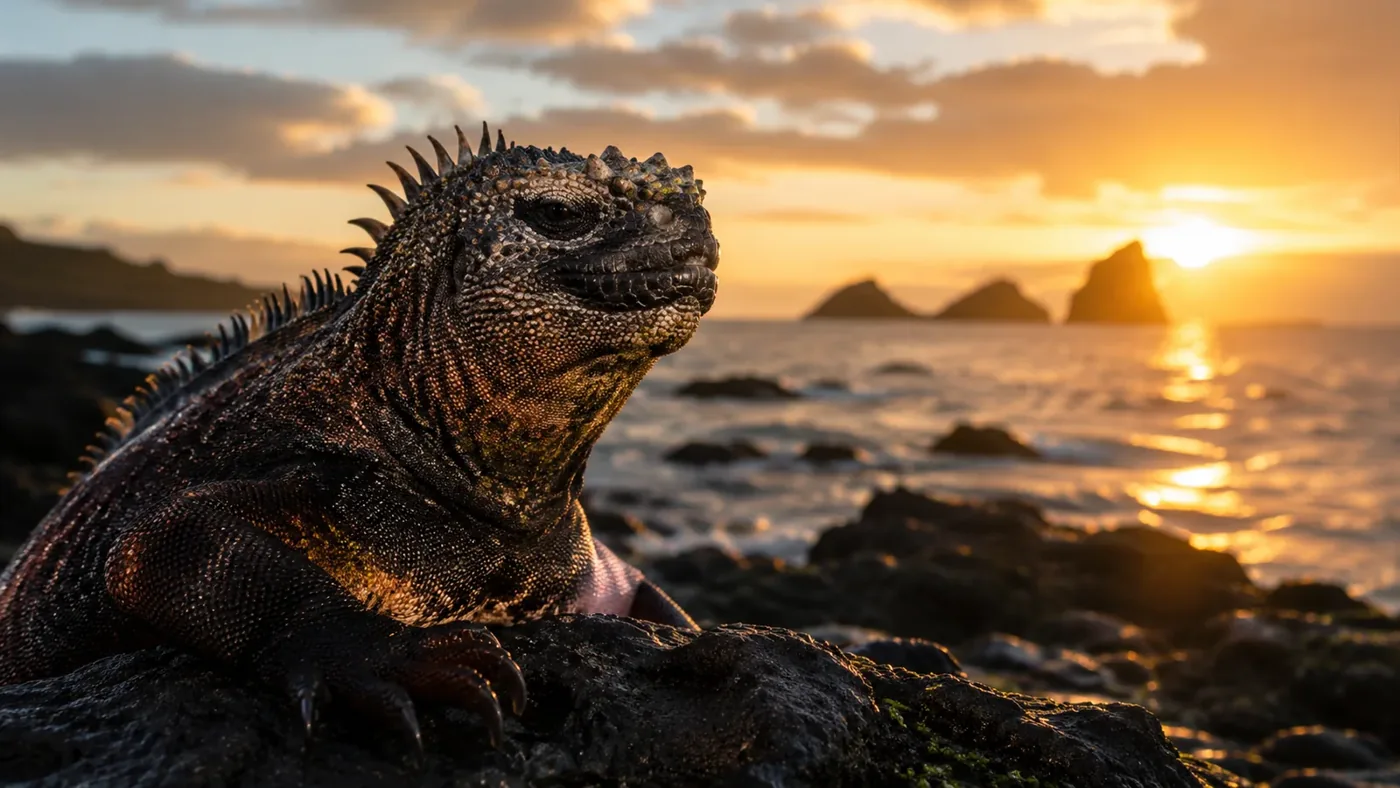
Planning a Galapagos itinerary can feel surprisingly complicated. The islands may look close together on a map, but travel times, tour schedules and limited availability can quickly shape what is realistically possible.
The perfect itinerary is not the one that includes the greatest number of islands. It is the one that gives you enough time to enjoy the wildlife, landscapes and ocean without spending most of your vacation packing or moving between hotels.
In this guide, our Galapagos-based team explains how to choose the right islands, organize your days and avoid the most common planning mistakes. You will also find practical sample itineraries for 5, 6, 8 and 10 days.
First visit, limited time and easy logistics.
Wildlife, snorkeling and volcanic scenery.
Sea lions, marine adventures and an easy open-jaw route.
The widest variety across Santa Cruz, Isabela and San Cristóbal.
Although you can visit the Galapagos in four or five days, a short trip requires careful planning. Your arrival and departure days are usually partial days, so a “five-day trip” often provides only three full days for activities.
Five days is enough for a rewarding first experience if you use Santa Cruz as your base. You can visit the highlands, take one full-day navigable tour and explore places near Puerto Ayora without losing time changing islands.
With six days, you can combine Santa Cruz and Isabela. The pace will be active, so tours and inter-island transportation should be arranged before arrival.
Eight days gives you time to experience two islands without rushing. You can include full-day tours, free or lower-cost activities and a buffer in case weather or operational conditions affect a scheduled excursion.
Ten days can include Santa Cruz, Isabela and San Cristóbal. This route offers excellent variety, but the transportation between the islands must be planned carefully. There is no regular direct public ferry between Isabela and San Cristóbal, so travelers generally connect through Santa Cruz or use an inter-island flight when schedules permit.
If you are still deciding between a land-based route and a cruise, read our guide to Galapagos cruises versus island hopping.
Each inhabited island offers a different travel experience. Choose according to your interests rather than trying to include every island.
Santa Cruz is the main tourism hub and offers the widest selection of hotels, restaurants and navigable day tours. Flights arrive at Baltra Airport, followed by a multi-stage transfer to Puerto Ayora.
Choose Santa Cruz if you want:
Popular excursions from Santa Cruz include Bartolomé, Pinzón, Floreana and other visitor sites whose availability depends on permitted operating schedules.
Isabela feels quieter and less developed than Santa Cruz. It is an excellent choice for travelers who enjoy nature, snorkeling and volcanic scenery.
Choose Isabela if you want:
Isabela works best with at least two or three nights. A one-night visit usually creates too much travel for too little exploration.
San Cristóbal has its own airport, making it possible to begin or end a Galapagos itinerary there. Sea lions are a familiar sight around Puerto Baquerizo Moreno.
Choose San Cristóbal if you want:
Include all three inhabited islands only if you have approximately 9–10 days and are comfortable with a more active pace. For a shorter vacation, two islands usually produce a better experience.
These three inhabited islands are the most practical bases for a land-based itinerary. Each one gives travelers access to a different combination of wildlife, landscapes and navigable tours.
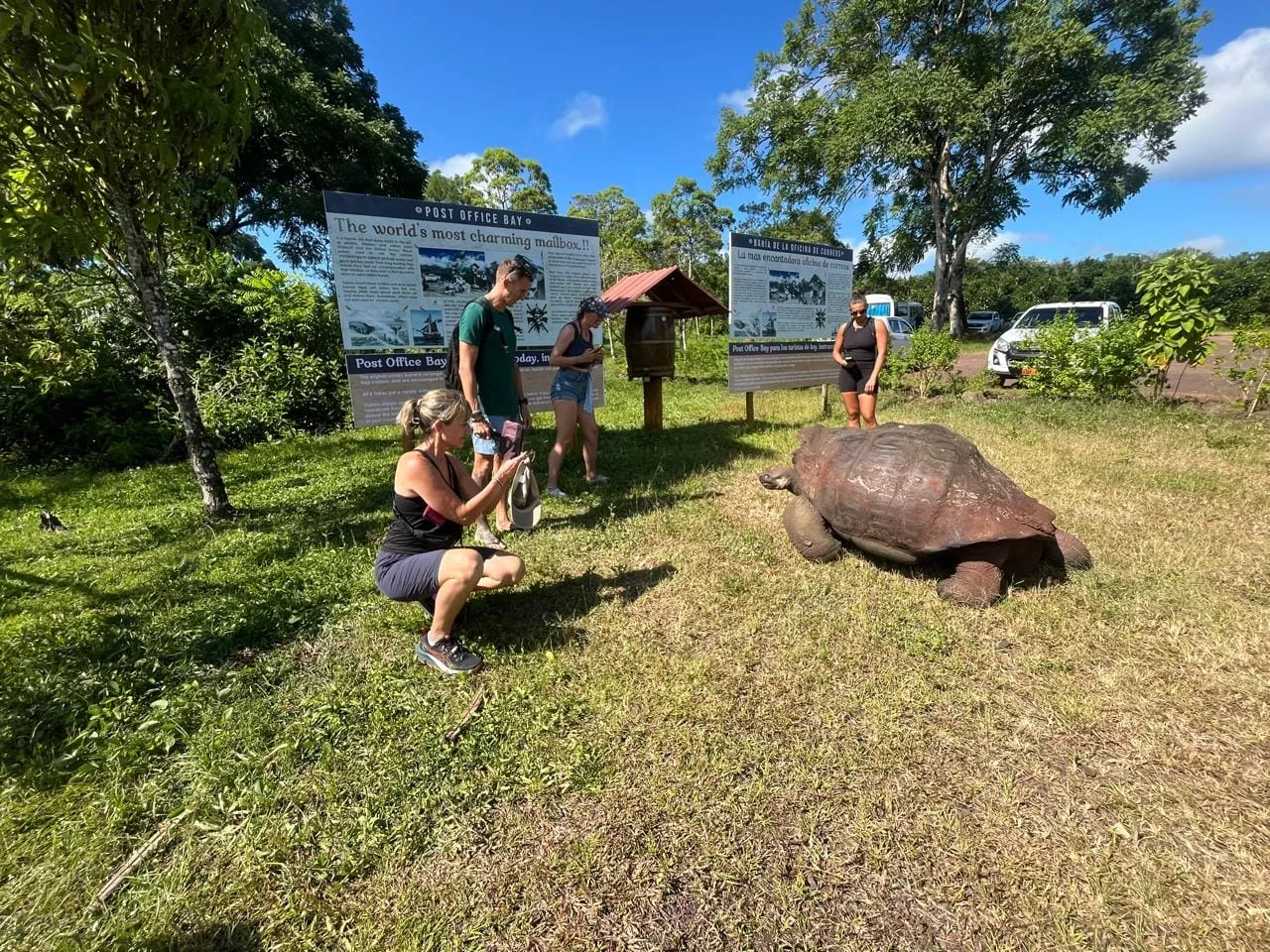
The best-connected base for a first visit, with giant tortoises in the highlands, Tortuga Bay and the archipelago’s largest selection of day tours.
Explore Santa Cruz Tours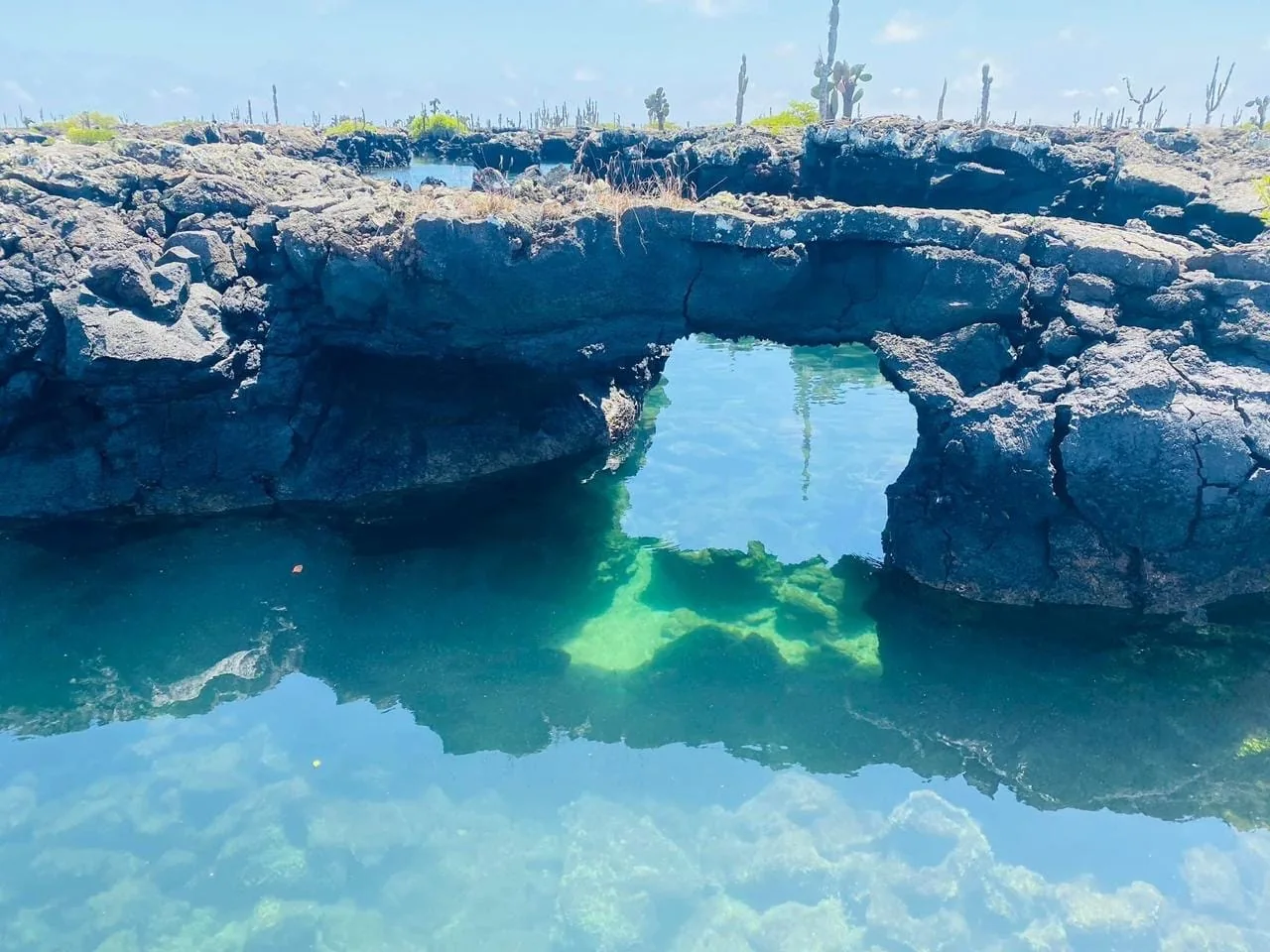
A relaxed island with volcanic scenery, long beaches and signature experiences such as Los Túneles, Tintoreras and Sierra Negra.
Explore Isabela Tours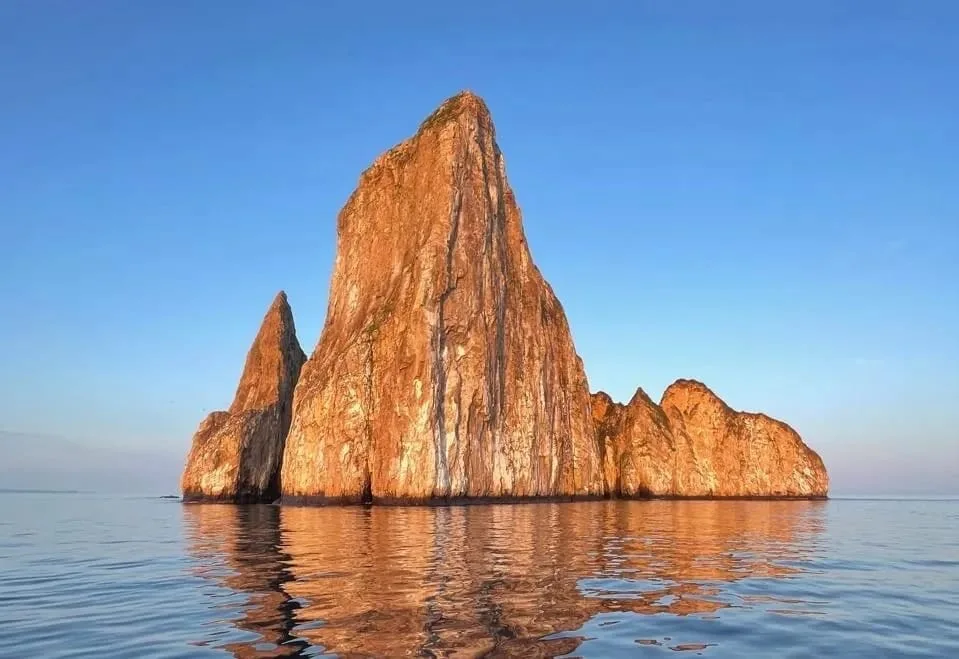
An excellent choice for sea lions and marine adventures, including Kicker Rock, Isla Lobos, Española and the 360° tour.
Explore San Cristóbal ToursGalapagos flights operate from mainland Ecuador, normally through Quito or Guayaquil. The two principal arrival airports are Baltra, which serves Santa Cruz, and San Cristóbal.
If you plan to visit several islands, consider arriving through Baltra and departing from San Cristóbal, or the reverse. This “open-jaw” arrangement can save a day of backtracking.
For information about flights, entry procedures and the recommended booking order, see How to Book a Trip to the Galapagos Islands.
Write down three to five experiences that matter most to you:
Build the route around these priorities. Wildlife sightings are never guaranteed, but choosing suitable habitats and experienced guides improves your opportunities.
Popular navigable tours can sell out, particularly during holiday periods and high-demand travel dates. Confirm the tours that are most important to you before filling the itinerary with flexible activities.
Do not treat a ferry day like a full tour day. You need time to check out, reach the pier, complete boarding procedures, collect luggage and check into the next hotel.
Travel can also be affected by sea conditions. If you are prone to motion sickness, ask a medical professional about suitable options before your trip and choose your seat strategically.
A free afternoon or lightly scheduled day is valuable. It creates room for rest, a beach visit, souvenir shopping or an adjustment if an excursion changes for weather, safety or operational reasons.
Families, older travelers, photographers and dedicated divers may need very different itineraries. A route that looks efficient on paper may feel exhausting after early departures, sun exposure, snorkeling and boat navigation.
These examples are planning frameworks rather than fixed tour programs. Exact departures, visitor sites and operating days should always be confirmed before booking.
Best for: first-time visitors with limited vacation time.
Best for: active travelers who want two contrasting islands.
Best for: travelers who want convenient logistics, sea lions and outstanding marine experiences.
Best for: travelers who want the broadest land-based experience.
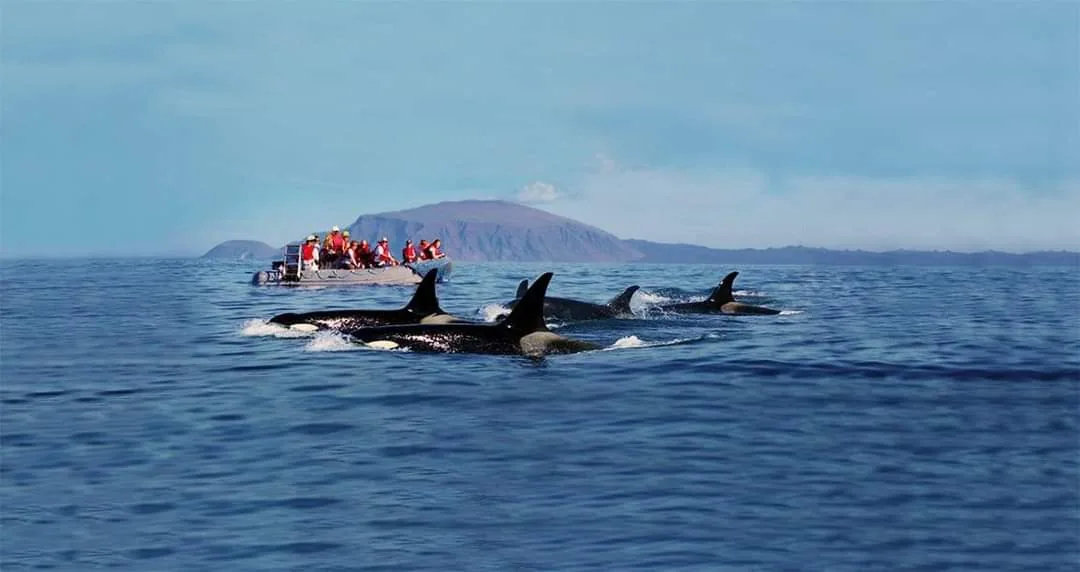
A thoughtful itinerary balances iconic visitor sites with the unexpected moments that make Galapagos unforgettable. Choose your priority experiences first, then allow enough time to enjoy them without rushing between islands.
Explore Galapagos Day Tours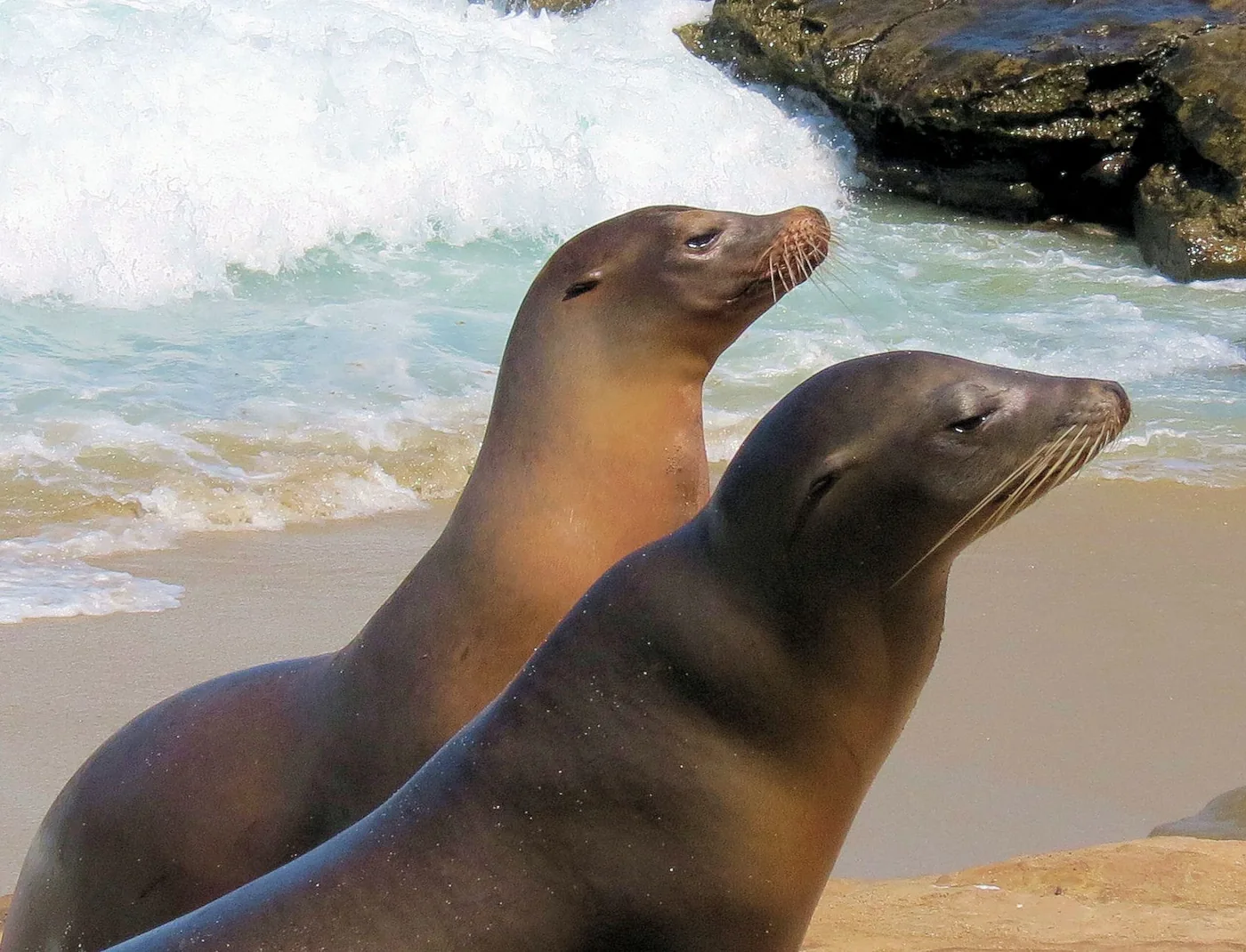
There is no universal list of compulsory tours. The best choices depend on the island, season, sea conditions, availability and your interests.
Bartolomé Island: A classic combination of volcanic scenery, a summit viewpoint and snorkeling. The excursion includes a substantial amount of navigation and a stair climb, so consider your comfort and mobility.
Pinzón Island: A strong option from Santa Cruz for travelers whose priority is time in the water.
Los Túneles: One of Isabela’s signature excursions, combining lava formations with guided wildlife observation and snorkeling.
Kicker Rock: A renowned marine experience from San Cristóbal for snorkelers and divers. Conditions and sightings vary.

Sierra Negra: An essential Isabela experience for hikers. Sun, wind, rain and trail conditions can change, so bring suitable footwear and protection.
Santa Cruz Highlands: A convenient way to experience giant tortoises and the greener interior of the island.
Las Tintoreras: A shorter Isabela excursion that can fit well around arrival or departure schedules when operating times permit.
Explore the current options for tours from Santa Cruz, tours from Isabela and tours from San Cristóbal.
Your total budget will normally include:
International visitors aged 12 and older currently pay a USD 200 Galapagos protected-areas conservation entry fee, with different rates applying to children, Ecuadorian residents and eligible regional nationalities. The Transit Control Card currently costs USD 20 for most visitors. Because government fees and procedures may change, confirm them on the official Galapagos authority websites before traveling.
Do not build the itinerary using tour prices alone. A less expensive route can become costly if it requires extra flights, ferries or hotel nights.
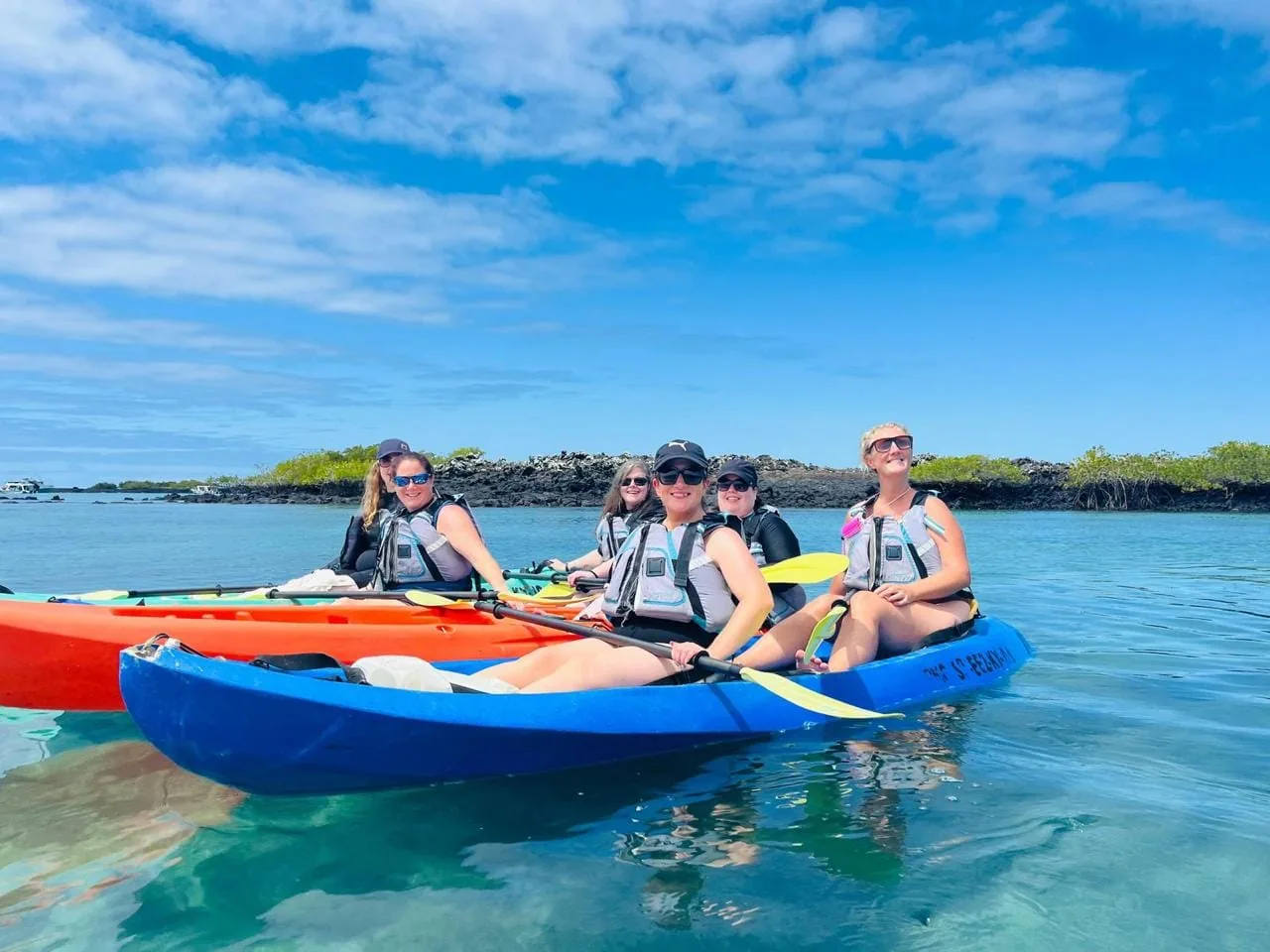
Kayaking, snorkeling and guided walks can be combined at a pace that suits your group. Good planning leaves room for activity, comfort and unhurried time to appreciate the islands.
Request a Tailored ItineraryNot every tour operates every day. A route may look perfect until you discover that your preferred departure is unavailable on the only day you are on that island.
Keep the final night on the island from which your mainland flight departs. Boat schedules and sea conditions can change, and a missed flight can be expensive.
Many day tours begin early and last most of the day. Avoid arranging late nights before important excursions.
Share your swimming ability, mobility needs, dietary restrictions, medical considerations and wildlife interests before confirming the itinerary.
Galapagos is not only a checklist of tours. A quiet beach walk, an unexpected wildlife encounter or an unhurried evening by the harbor can become a favorite memory.
Follow the instructions of naturalist guides and park authorities. Remain on designated trails, keep the required distance from wildlife, do not feed animals and avoid removing any natural material.
The Galapagos National Park manages authorized marine and terrestrial visitor sites, and access or activities may change for conservation, safety or operational reasons.
For most travelers, an itinerary of 7–8 days split between Santa Cruz and Isabela offers an excellent balance of wildlife, snorkeling, volcanic landscapes and manageable transportation.
Yes, if you concentrate on one island—usually Santa Cruz—and choose your priority day tour in advance. Trying to visit several islands in five days can feel rushed.
It is technically possible, but it is not normally the most enjoyable option. With only one week, choose two islands. Save the three-island route for approximately 9–10 days.
Santa Cruz is the most convenient starting point because of its access through Baltra Airport, range of accommodation and broad selection of tours. The best island still depends on your interests.
An open-jaw itinerary can reduce backtracking when visiting multiple islands. Compare flight schedules and prices before confirming the route.
For priority tours, cruises and peak travel dates, booking several months ahead is sensible. Some last-minute availability may exist, but it should not be the foundation of an important trip.
Yes. A land-based itinerary using hotels, ferries, inter-island flights and guided day tours can provide an excellent Galapagos experience.
Comfort depends on the vessel and sea conditions. Travelers who experience motion sickness should prepare in advance and consult a medical professional about suitable remedies.
Some locations near populated areas can be visited independently, while many protected visitor sites require an authorized guide and licensed tour operation. Confirm the rules for each activity.
Yes. Weather, safety considerations, park regulations and operational conditions can affect routes or visitor sites. A good itinerary includes some flexibility.
We shape each itinerary around your pace, interests and preferred level of comfort. From choosing the right islands to coordinating meaningful experiences, our local team helps turn a complicated route into a seamless Galapagos journey.
Every Galapagos trip is different. Your available days, preferred wildlife, activity level, budget and travel style should determine the route.
The local team at Galapagos Trails can help you compare islands, select suitable tours and create a practical itinerary without unnecessary transfers.
Tell us your travel dates, number of travelers, preferred activities and approximate budget. We will help you design a personalized Galapagos itinerary.
YOUR NEXT CHAPTER
Turn your reading into a journey designed around you.
Plan your journey →